
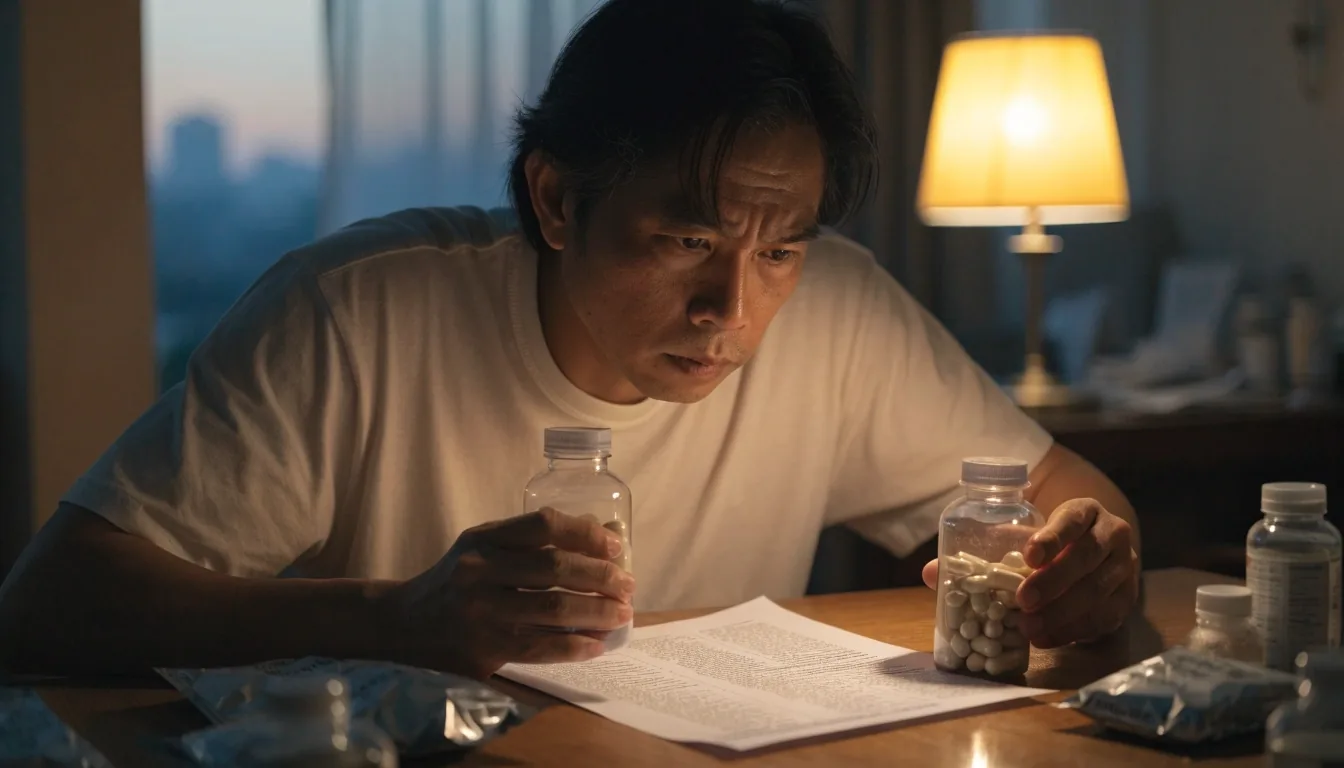
Editorial resource from Jakarta
Who writes CorePoise
CorePoise is an editorial project about men's supplements in Indonesia, published in English. We read product listings, retailer pages, and public health articles, then explain them in ordinary language. We do not sell products and we do not take orders.
No trials, no lab bench, no shop. Just careful reading of what Indonesian shelves and product pages actually say about suplemen pria and vitamin pria.
What we actually do
Our work is reading and explaining. We go through men's health listings at Indonesian pharmacy chains, marketplaces, and health platforms, note the ingredients and formats, and write up what we find. Where a product page makes a claim, we report the claim as a claim.
We do not run trials, and we do not have laboratory facilities. That limits what we can honestly say, and we would rather name the limit than write around it. If a question about a supplement needs a blood test, a doctor's exam, or a controlled study, we say so and stop there.
In practice that means each page you read here is a summary of what is written on the box, in the listing, and in the public material around it — with the gaps left visible.
Where our information comes from
Three source types. We name the source inside the article wherever it matters, so you can check our reading against the original.
Source type
Retailer and brand pages
These give us format and ingredient lists: capsule counts, serving sizes, and the order ingredients appear in. We read the same listing again later because packaging and formulas change.
Source type
Public health platforms
Local health platforms and pharmacies have covered several brands in this category. Their pages help us confirm what is actually on the Indonesian market, and under which local names.
Source type
Reference material
General reference writing on individual herbs and nutrients tells us what an ingredient is normally used for. It does not tell us what a specific product will do for a specific person, and we do not pretend otherwise.
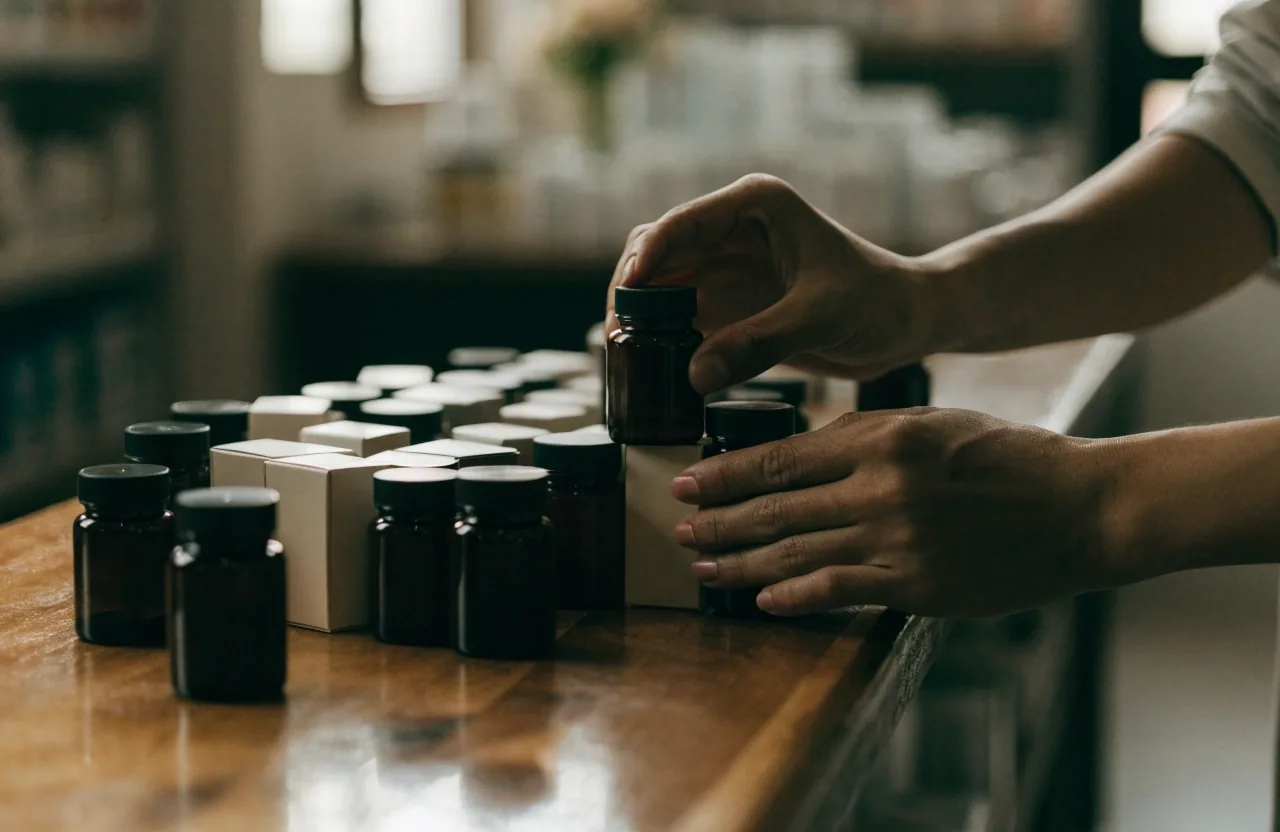
Why English for an Indonesian audience
The products are Indonesian, the retail context is Indonesian, and the ingredient names are usually in Indonesian. A lot of good coverage already exists in Bahasa Indonesia, and we are not trying to replace it.
We publish in English for readers who prefer technical and label language in English, or who are comparing local products with imported ones. The Indonesian terms still appear, because they appear on the boxes — kapsul, jamu, herbal, and the local brand names you will see at the counter.
How we handle product claims
If a listing says a product supports stamina, libido, sperm quality, or erection duration, we report that as the product's positioning. We do not repeat it as fact, and we do not add numbers the source does not contain.
Claims that would not pass advertising rules are exactly the ones readers should be able to see clearly, so we quote them rather than sanitize them. Seeing the exact wording helps you judge a product page for yourself, and it shows where a brand's language outruns its evidence.
Where the wording is vague, we say it is vague. Where an ingredient is listed only as part of a proprietary blend, we say the amounts are not disclosed. Neither of those is a verdict on the product — it is what the label tells you, and what it does not.
What we quote, and what we add
- The claim itself, in the words the listing uses.
- The ingredient list and format, as printed.
- A plain-language note when a term needs explaining.
- Never a promise of outcome, and never a number the source does not have.
Keeping pages current
Indonesian product listings change: packaging updates, formulas get reformulated, and products disappear from shelves. We revisit pages periodically and update when a listing changes materially.
What changes
Packaging and serving size
The box or jar gets redesigned, or the number of kapsul per bottle changes. The ingredient list may stay the same — we still check it.
What changes
Reformulation
An ingredient is swapped for a cheaper one, or a dose moves. Where we can see the change, we rewrite the page rather than leave a stale description standing.
What changes
Disappearing listings
A product drops off the shelf but its page stays online. Natureline Men's Health Kapsul, for example, has a product page dated 2020 yet remains listed in 2026 — we note that gap instead of smoothing it over.
What changes
Local renaming
Imported lines often carry a different name here than abroad. We keep both spellings so a search at an Indonesian counter still finds the right page.
What we do not do
We do not sell supplements, run an affiliate storefront, or accept payment for coverage. There is no basket here and nothing to check out.
We do not rank products as best or worst, because we have no outcome data to support a ranking. A number out of ten would be invented, and invented numbers help nobody.
We do not give medical advice, and we do not diagnose. If a page reads as a recommendation, that is a problem with the page, not with the reader.
Corrections and reader input
If an ingredient list is wrong, a product has been discontinued, or a claim is misquoted, tell us and we will check it against the source. Readers in Indonesia often spot local changes before we do.
Send the product name and the page you are reading, and we will look at it. A short message with those two things is enough — you do not need to write a full report.
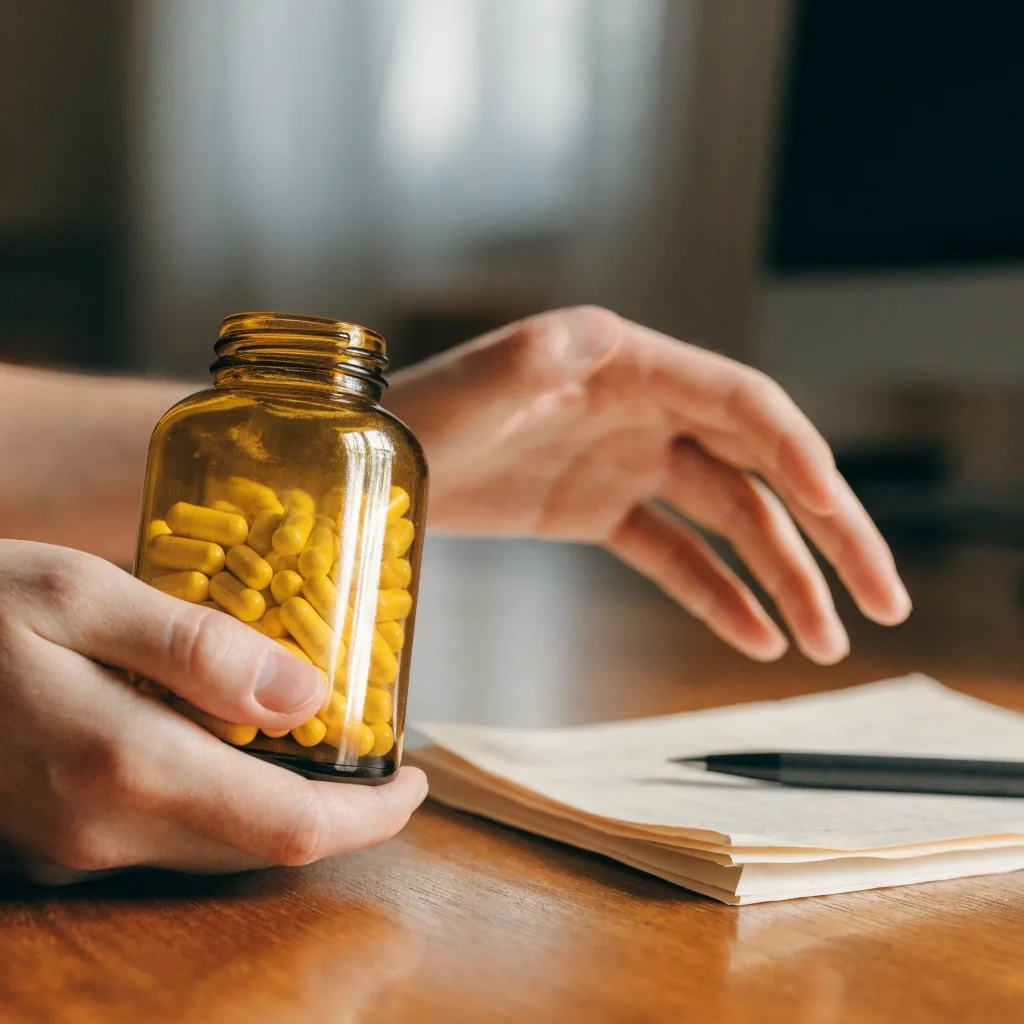

Who is behind the site
CorePoise is operated as an editorial resource from Jakarta, at Jl. Jend. Sudirman Kav. 52-53, Senayan, Kebayoran Baru, Jakarta Selatan, 12190. You can reach the editorial team at [email protected] or on +62 21 5294 0608 during Jakarta business hours, Monday to Friday, 09:00–18:00.
If you want to see how the reading works in practice, the ingredient guide is the place to start. It explains the herbs and nutrients that come up again and again in suplemen pria in Indonesia, and what the label usually tells you about each one.